Articles · Research
SPACER, an AI model from MD Anderson, on what may keep T cells out of tumors
An MD Anderson AI model reads gene activity across intact tumor tissue. It points at mucin, a sugar coat many cancers make, as a barrier that may keep T cells out.
Read the story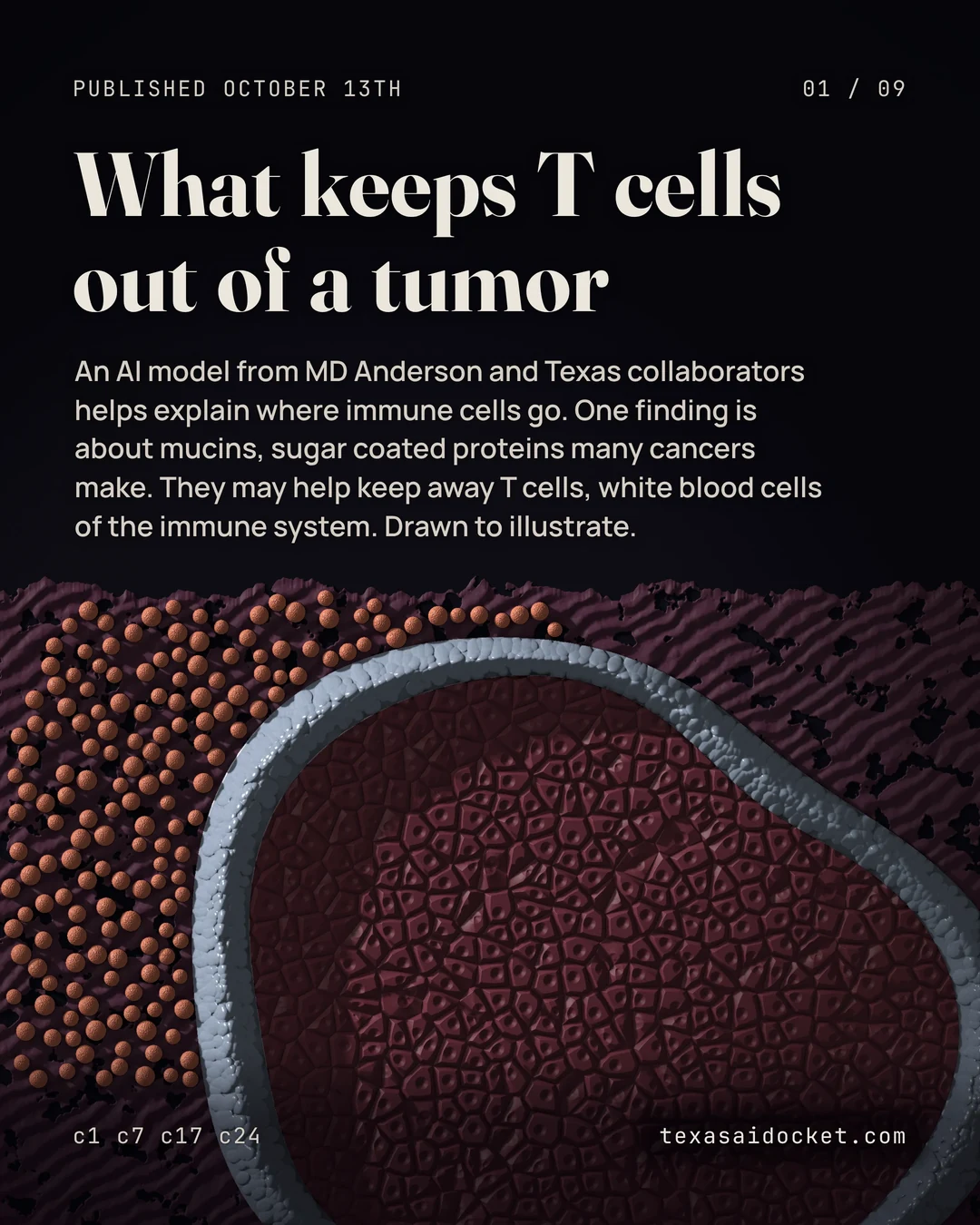
Researchers at MD Anderson and collaborating Texas institutions built an AI model that helps explain how immune cells find their way through the body. It also helps explain why they avoid some places. The study was published in Nature Biomedical Engineering on October 13th, 2026.
Its leading physical finding is that mucins, large sugar coated proteins made by many cancers, may help form barriers that keep T cells away from tumors. The finding is an association in existing data rather than a test of any treatment.
What the model reads
The model is called SPACER, and it reads spatial transcriptomics, a technique that measures gene activity inside intact tissue and records which genes are active and where. Instead of treating each cell alone, it examines groups of neighboring cells and how they work together.
The journal abstract says existing tools for this kind of data describe where cells sit and can't explain why. It describes SPACER as an interpretable framework that decodes gene level recruitment rules.
How far it was tested
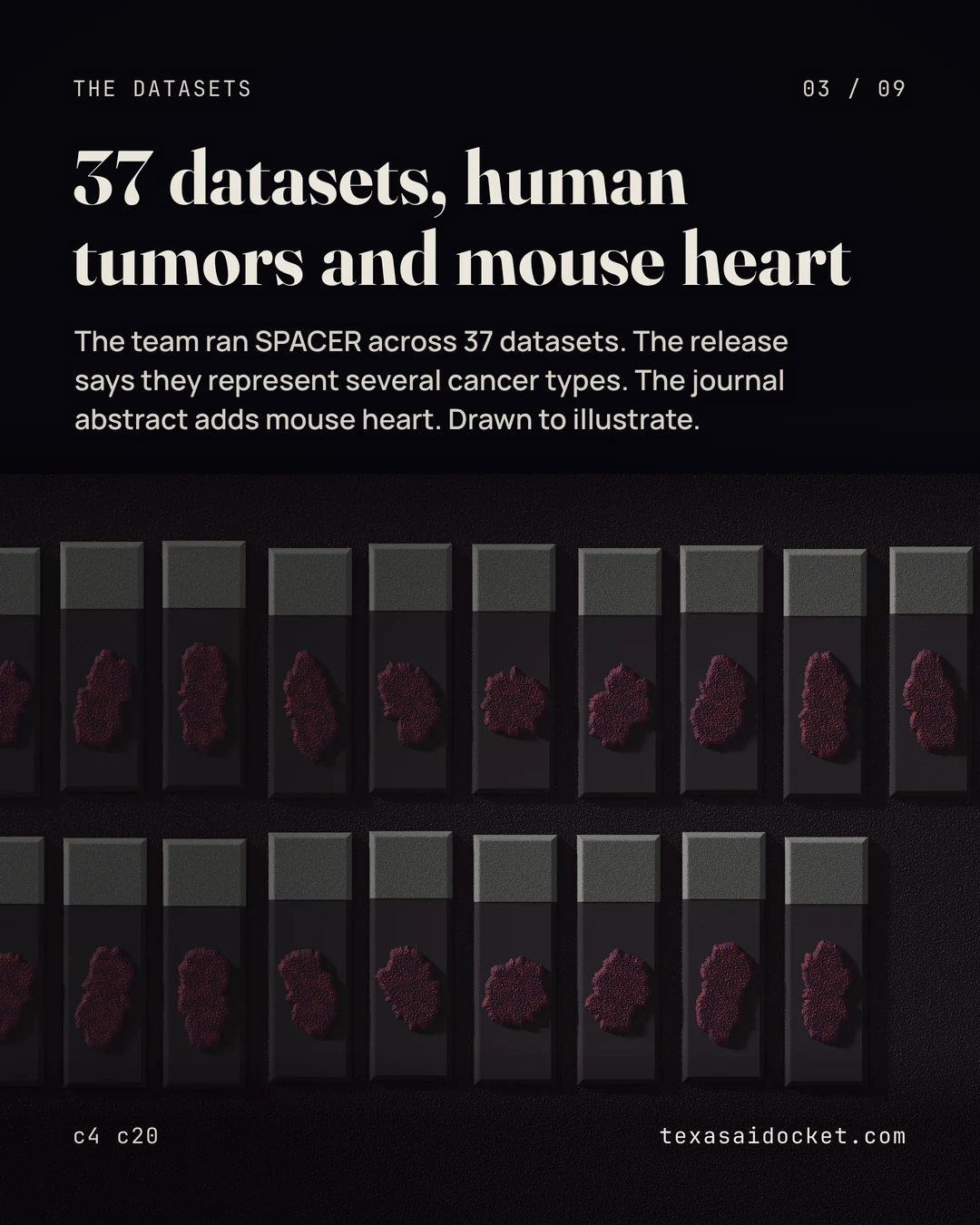
The team applied SPACER across 37 datasets, which the release describes as several cancer types. The abstract says those datasets span multiple human tumor types and mouse heart.
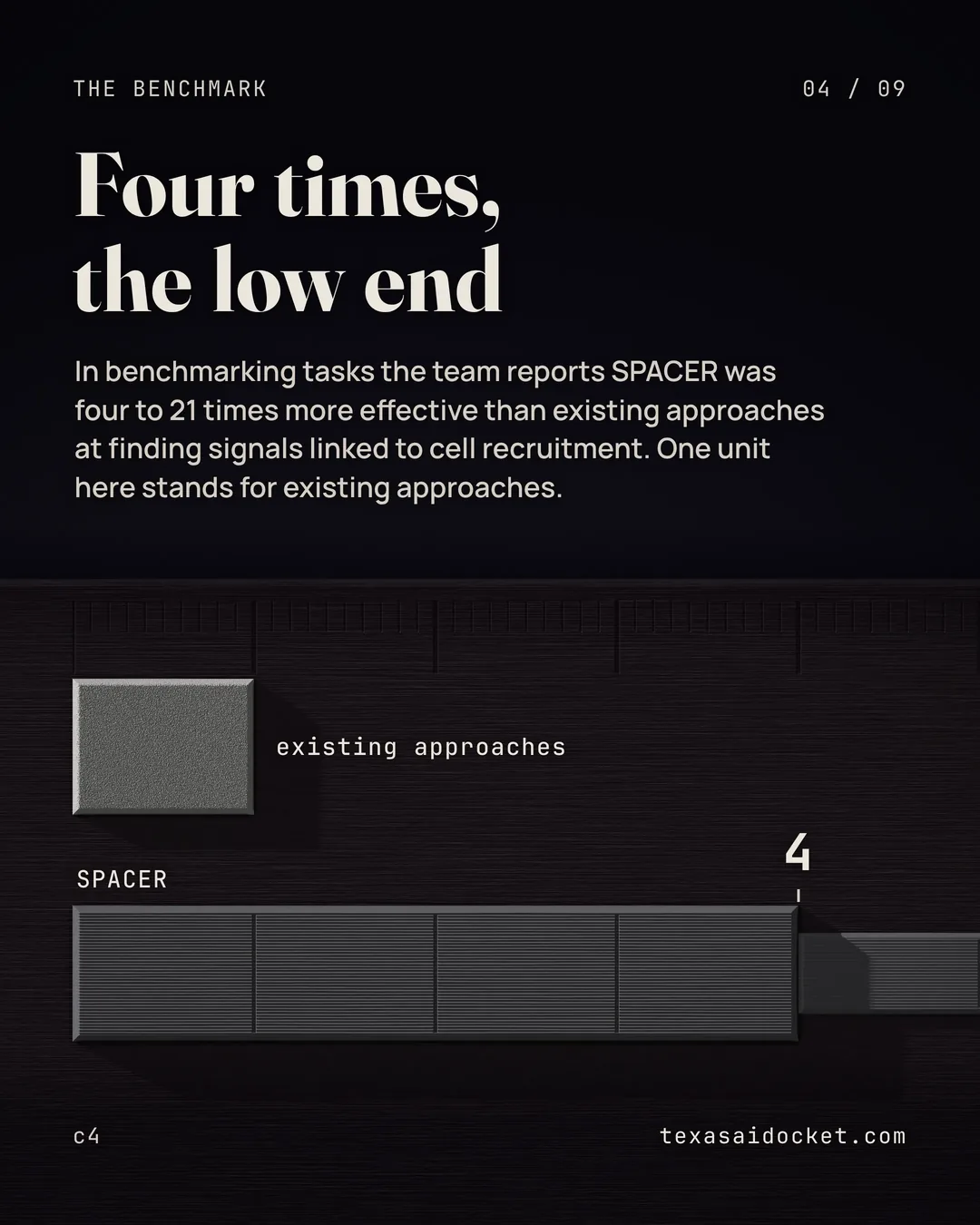
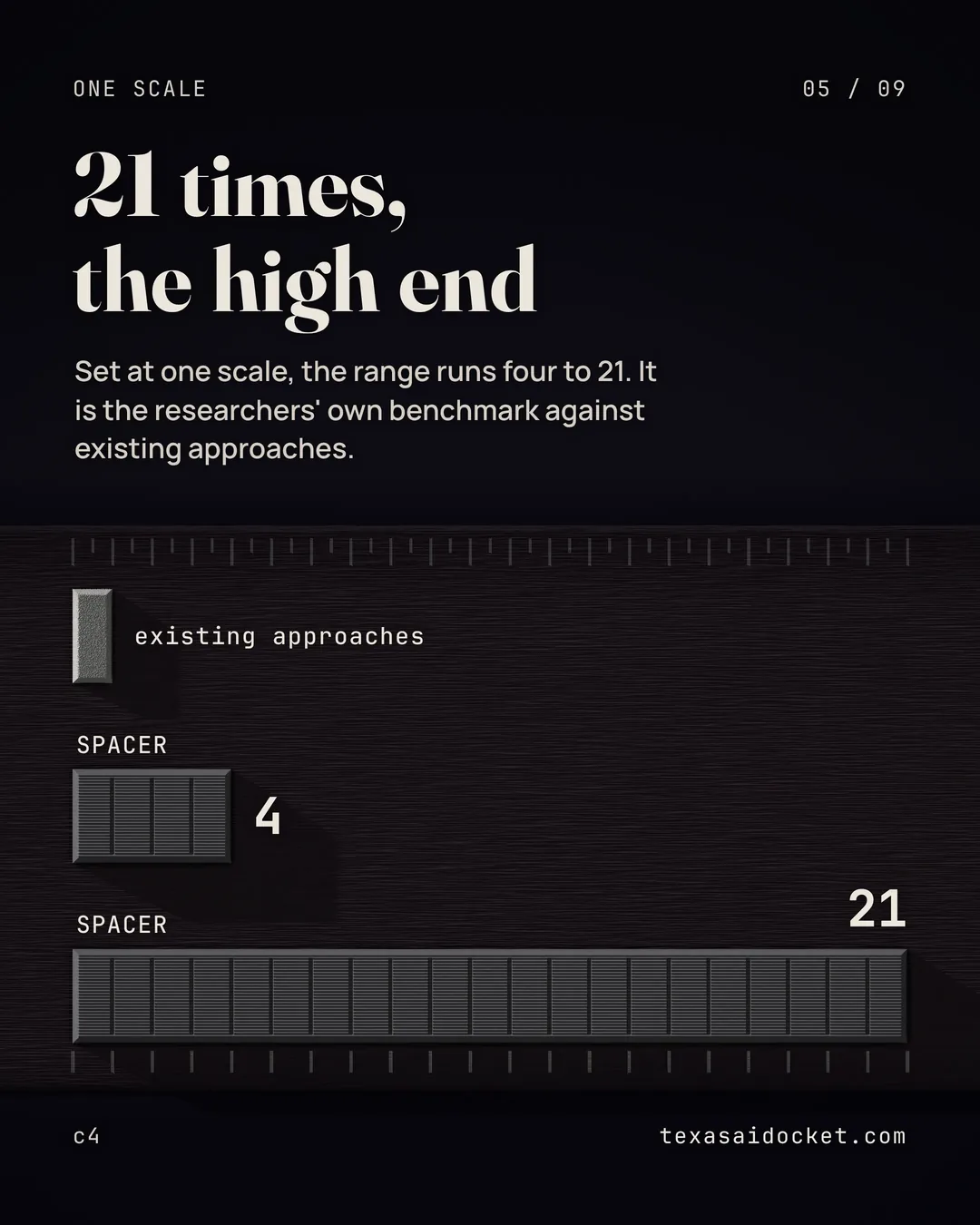
In benchmarking tasks the team reports the model was four to 21 times more effective than existing approaches at finding signals linked to cell recruitment. That range is the researchers' own measure of their method against others, not a measure of any treatment.
What draws T cells in, and what may keep them out
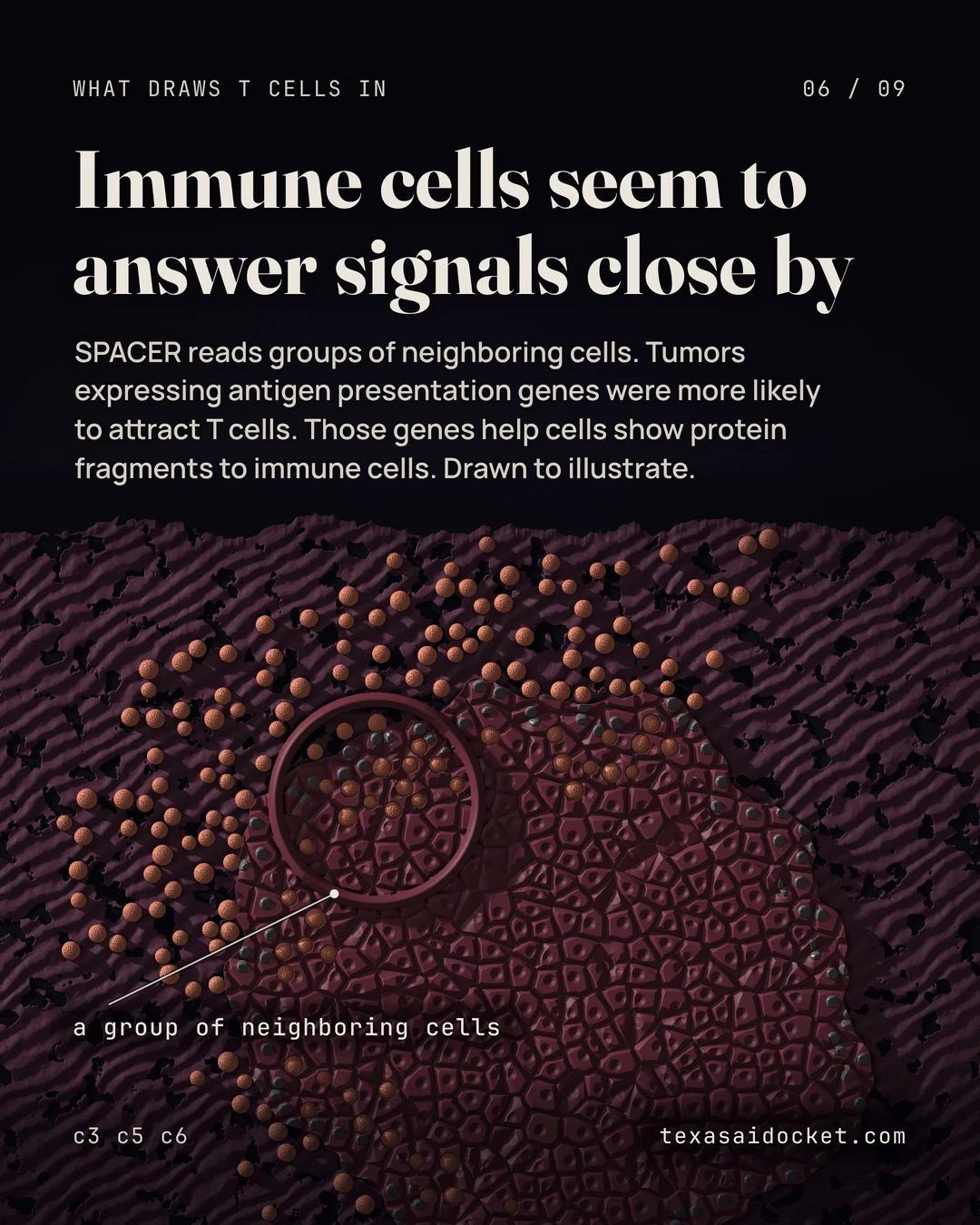
Immune cells appear to respond mainly to signals in their immediate surroundings rather than to signals circulating elsewhere in the body. Tumors expressing genes for antigen presentation, the way cells display protein fragments for immune cells to inspect, were more likely to attract T cells.
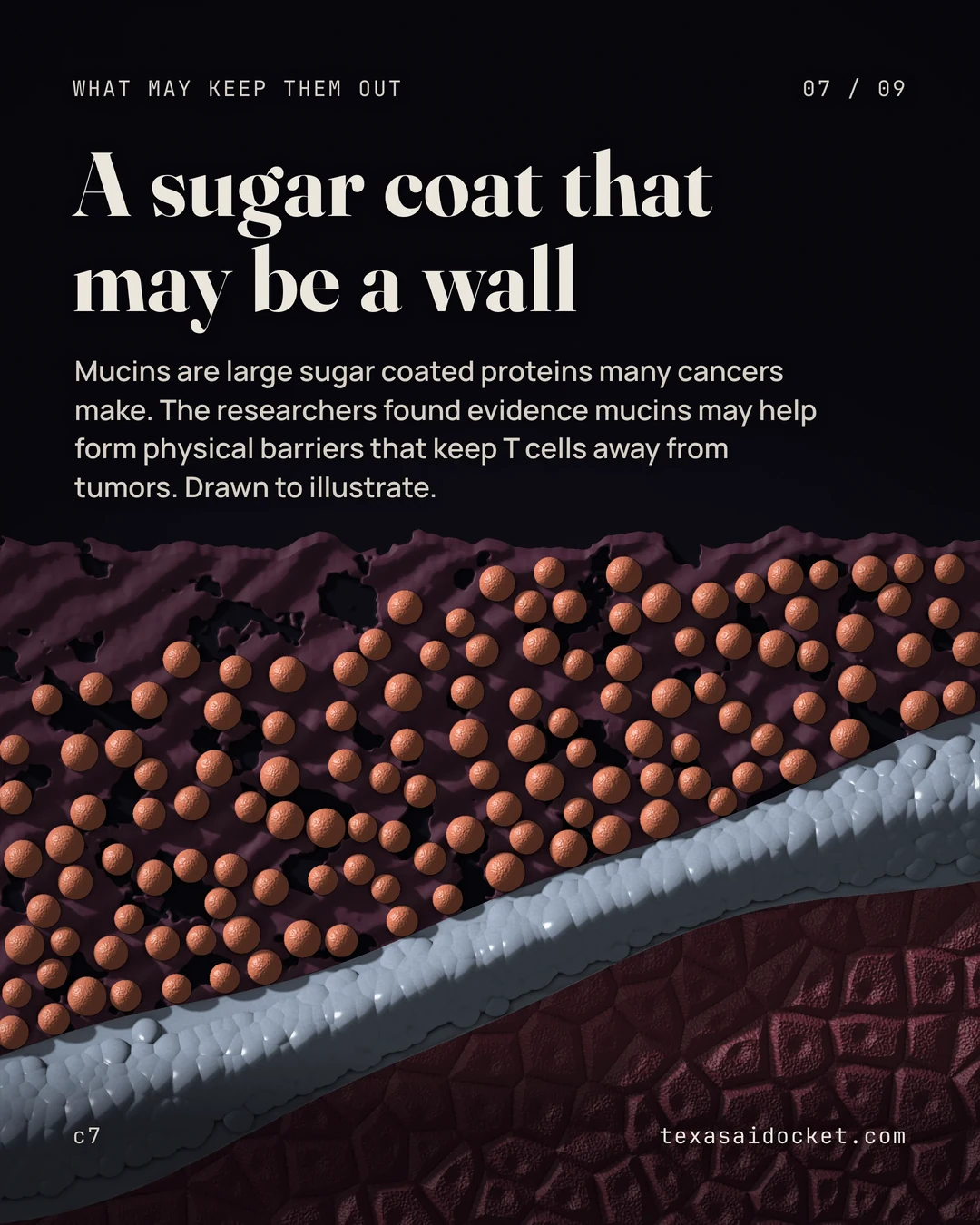
The researchers found evidence that mucins may help create physical barriers that keep T cells away from tumors. The National Cancer Institute's dictionary describes mucin as the main compound in mucus.
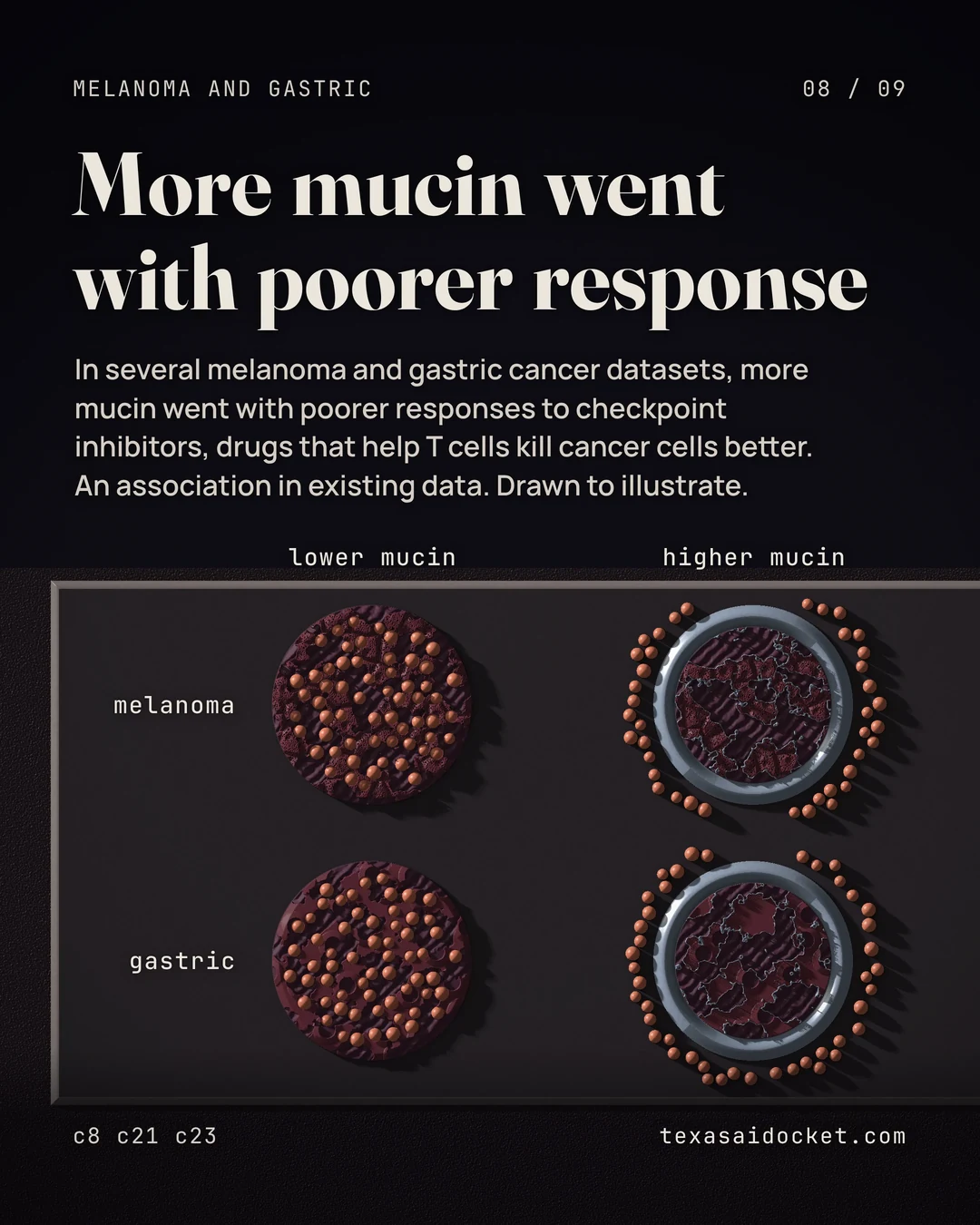
In several melanoma and gastric cancer datasets, tumors with more mucin were associated with poorer responses to immune checkpoint inhibitors and poorer patient outcomes. The National Cancer Institute says that when these checkpoints are blocked, T cells can kill cancer cells better.
What the record doesn't say yet
The researchers believe SPACER could potentially be used as a diagnostic tool for cancer therapies, and the release reports no such use. Linghua Wang described the findings as new ideas the team can test in the lab. The mucin finding is an association in data the team analyzed. Whether a lower mucin tumor would respond better to a checkpoint drug is a question the published work does not answer.
Sources for this story
- MD Anderson research news release, AI tool reveals what attracts immune cells to tumors and what keeps them away
- Nature Biomedical Engineering article page, Interpretable AI model reveals spatial codes of cell recruitment in tissues
- NCI Dictionary of Cancer Terms, immune checkpoint inhibitor
- NCI Dictionary of Cancer Terms, mucinous
Claim-by-claim verification · 25 claims
Researchers at MD Anderson and collaborating Texas institutions developed an AI model that helps explain how immune cells reach specific places in the body and why they avoid others.
Researchers at The University of Texas MD Anderson Cancer Center and collaborating institutions in Texas developed an artificial intelligence (AI) model that helps explain how immune cells find their way to specific locations in the body and why they avoid others.
The model is called SPACER. It reads spatial transcriptomics, a technique that measures gene activity in intact tissue and shows which genes are expressed and where.
The tool, known as Spatial Analysis of Cellular Engagement and Recruitment (SPACER), makes use of spatial transcriptomics, a molecular technique that measures gene activity within intact tissue to highlight which genes are expressed and where.
SPACER looks at groups of neighboring cells and how they work together rather than at each cell alone.
Instead of treating cells as isolated units, the tool examines groups of neighboring cells and how they work together.
The team ran SPACER on 37 datasets and reports it was four to 21 times more effective than existing approaches in benchmarking tasks.
The team applied SPACER across 37 datasets representing several cancer types. In benchmarking tasks, the model was four- to 21-times more effective than existing approaches at identifying biologically meaningful signals linked to cell recruitment.
Immune cells appear to respond mainly to signals close by rather than to signals circulating elsewhere in the body.
One of the most meaningful findings was that immune cells appear to respond primarily to signals in their immediate surroundings rather than signals circulating elsewhere in the body.
Tumors expressing genes for antigen presentation were more likely to attract T cells. Antigen presentation is how cells display protein fragments for immune cells to inspect.
SPACER revealed that tumors expressing genes involved in antigen presentation, the process by which cells display protein fragments for immune cells to inspect, were more likely to attract T cells.
Mucins are large sugar coated proteins made by many cancers. The researchers found evidence they may help form physical barriers that keep T cells away from tumors.
Additionally, the researchers uncovered evidence that mucins, a family of large, sugar-coated proteins produced by many cancers, may help create physical barriers that keep T cells away from tumors.
In several melanoma and gastric cancer datasets, tumors with more mucin were associated with poorer responses to immune checkpoint inhibitors and poorer patient outcomes.
Across several melanoma and gastric cancer datasets, tumors with higher levels of mucins were associated with poorer responses to immune checkpoint inhibitors and poorer patient outcomes.
The researchers believe SPACER could potentially serve as a diagnostic tool for cancer therapies. The release presents this as a possibility and reports no such use.
The researchers believe SPACER could potentially be used as a diagnostic tool for cancer therapies and to improve understanding of diseases and scenarios in which cell movement and positioning are important, including autoimmune disorders, tissue repair and wound healing.
Linghua Wang says SPACER turns its insights into new ideas the team can test in the lab.
This helps us turn these insights into new ideas we can test in the lab.
The study was published in Nature Biomedical Engineering and co-led by Tao Wang and Linghua Wang. Tao Wang is an associate professor of Bioinformatics and Computational Biology. Linghua Wang is a professor of Genomic Medicine.
The study, published in Nature Biomedical Engineering , was co-led by Tao Wang, Ph.D. , associate professor of Bioinformatics and Computational Biology ; and Linghua Wang, M.D., Ph.D. , professor of Genomic Medicine
MD Anderson says the study was funded in part by the National Institutes of Health, the Cancer Prevention and Research Institute of Texas and the U.S. Department of Defense, along with a foundation and a Baylor College of Medicine seed grant.
This study was funded in part by the National Institutes of Health, the Cancer Prevention and Research Institute of Texas, the U.S. Department of Defense, the Adrienne Helis Malvin Medical Research Foundation, and a Baylor College of Medicine Department of Surgery Seed Grant.
Linghua Wang leads the Center for Cellular Language Intelligence at MD Anderson as its executive director and head.
executive director and head of the Center for Cellular Language Intelligence
Applied to data from preclinical models of heart inflammation caused by immunotherapy, SPACER identified heart regions and molecular signals associated with T cell recruitment.
Interestingly, applying SPACER to data from preclinical models of immunotherapy-related myocarditis, or heart inflammation, identified regions of the heart and molecular signals associated with T cell recruitment.
In those preclinical models the tool suggested CD4 positive T cells may play a larger role in severe heart inflammation than previously recognized.
The tool suggested that CD4-positive T cells may play a larger role in driving severe heart inflammation than previously recognized.
The journal article is titled Interpretable AI model reveals spatial codes of cell recruitment in tissues.
Interpretable AI model reveals spatial codes of cell recruitment in tissues
Nature Biomedical Engineering published the article on October 13th, 2026.
Published: 13 October 2026
The abstract describes SPACER as a fully interpretable learning framework that decodes gene level recruitment rules from spatially resolved transcriptomics data.
Here we introduce SPACER, a fully interpretable multi-instance learning framework that decodes gene-level recruitment rules
The abstract says existing tools for spatially resolved transcriptomics describe where cells sit and can't explain why.
Existing computational tools for spatially resolved transcriptomics (SRT) describe where cells reside but cannot explain
The journal abstract says the 37 datasets span multiple human tumor types and mouse heart, and puts the improvement over existing methods at 4 to 21 fold.
Applied to 37 SRT datasets spanning multiple human tumour types and mouse heart, SPACER achieved 4–21-fold improvement over existing methods
The abstract says tumor mucins are associated with physical barriers to T cell engagement, which predicts resistance to immune checkpoint inhibitors and patient prognosis.
SPACER revealed (1) that tumour-expressed mucins are associated with physical barriers to T cell engagement, which predicts resistance to immune checkpoint inhibitors and patient prognosis
The National Cancer Institute says immune checkpoint inhibitors work by blocking checkpoint proteins from binding with their partner proteins.
Immunotherapy drugs called immune checkpoint inhibitors work by blocking checkpoint proteins from binding with their partner proteins.
The National Cancer Institute dictionary says that when these checkpoints are blocked, T cells can kill cancer cells better.
When these checkpoints are blocked, T cells can kill cancer cells better.
The National Cancer Institute dictionary defines a T cell as a type of white blood cell that is part of the immune system.
A type of white blood cell. T cells are part of the immune system
The National Cancer Institute dictionary describes mucin as the main compound in mucus.
Containing or resembling mucin, the main compound in mucus.